
Elevator breakdowns rarely happen at convenient times. They strand tenants, frustrate visitors, and sometimes trigger costly emergency repairs. A proactive maintenance plan prevents most of these headaches before they start. Understanding what a solid program actually includes helps property managers protect their equipment and their budget. Here is how to build a maintenance approach that keeps elevators running reliably all year.
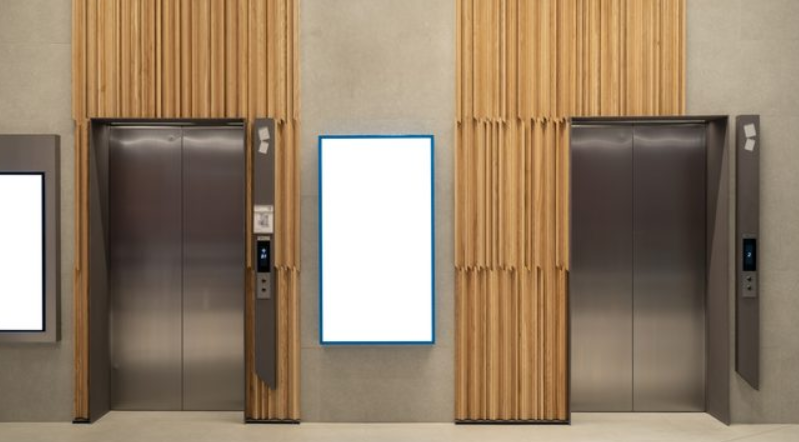
Creating a Maintenance Plan That Works
Tired of unexpected elevator breakdowns disrupting your building? A thorough elevator service Milwaukee property managers trust builds maintenance plans that prevent problems before they start. Here is what a strong plan includes.
Setting a Realistic Inspection Schedule
Every maintenance plan starts with a clear inspection calendar. Monthly visits catch wear on cables, pulleys, and door mechanisms before they cause bigger problems. Quarterly deep inspections examine components that need less frequent attention but still matter for safety. Skipping scheduled visits often allows small issues to grow into expensive repairs. A written schedule keeps both the building owner and service provider accountable throughout the year, with no steps overlooked.
Prioritizing Safety Component Checks
Certain parts deserve extra attention during every visit. Emergency brakes, door sensors, and communication systems directly affect passenger safety. Technicians should test these components thoroughly at each scheduled stop. Documentation of these checks protects building owners during audits or after an incident. Prioritizing safety systems within the maintenance plan reduces liability significantly. This focus also reassures tenants that their daily commute involves equipment maintained with genuine care and attention.
Tracking Equipment History Over Time
A strong maintenance plan includes detailed records for every elevator in the building. Technicians should log repairs, part replacements, and recurring issues after each visit. This history helps identify patterns, like a component failing repeatedly or wearing faster than expected. Reviewing these records periodically helps property managers make informed decisions about upgrades or replacements. Good documentation also simplifies conversations with insurance providers or during property sales down the road.
Budgeting for Predictable Costs
Reactive repairs often cost more than planned maintenance. Building a maintenance budget based on manufacturer recommendations and your elevator’s age helps avoid financial surprises. Setting aside funds for eventual modernization prevents scrambling when major components reach the end of their service life. Predictable costs make financial planning easier for property managers juggling multiple building expenses. A proactive budget approach protects cash flow throughout the year rather than draining it unexpectedly.
Choosing a Provider Who Communicates Clearly
Maintenance plans work best when providers explain findings in understandable terms. Ask how your provider reports issues and recommends next steps. A good partner flags developing problems early rather than waiting until something breaks completely. Clear, proactive communication builds trust over time. Property managers who feel informed make better decisions about repairs and upgrades, avoiding the frustration of unexpected bills or surprise outages affecting daily building operations.
Conclusion: Creating a Maintenance Plan That Works
A strong elevator maintenance plan combines regular inspections, safety focused checks, and detailed record keeping. Realistic budgeting and clear communication from your provider round out an effective approach. These elements work together to reduce breakdowns and control costs over time. Building a thoughtful maintenance plan protects both your equipment and the people who rely on it every single day.
Recent Comments